

How to Start a Dropshipping Business in 2026: A Step-by-Step Guide
The global dropshipping market is projected to surpass $1.25 trillion by 2030 (Grand View Research, 2024), yet most new store owners abandon their businesses within the first 90 days — not because the model fails, but because they skip the fundamentals.
Dropshipping lets you sell physical products without holding any inventory. Your supplier ships orders directly to your customers. You focus on finding the right products and driving traffic. The barrier to entry is low — but building a store that actually makes money requires a clear system.
In this guide, you'll get a concrete, step-by-step roadmap to launch your first dropshipping store: from picking a niche and vetting suppliers, to setting prices, building your store, and driving your first sales.
- The dropshipping market is on track to exceed $1.25 trillion by 2030 — demand for online retail is not slowing down (Grand View Research, 2024).
- You can launch a fully functional store for under $500, with zero upfront inventory investment.
- Niche selection and supplier reliability are the two variables most correlated with long-term profitability.
- Stores with a defined brand identity and 15%+ net margins consistently outperform generic, low-margin competitors.
Why Dropshipping Still Works in 2026
In 2026, e-commerce accounts for more than 22% of total global retail sales (Statista, 2025), and dropshipping remains one of the most accessible entry points into the industry. Unlike traditional retail, there's no warehouse lease, no bulk purchase risk, and no packing tape at 2 a.m.
The core advantage is capital efficiency. You only pay for a product after a customer has already paid you. That means your cash flow stays positive from day one — a luxury traditional product businesses don't have.
Dropshipping works best for store owners who want to test product-market fit quickly, build a brand around a curated product selection, or scale an existing store without the headaches of fulfillment logistics.
It's not without challenges — margins are thinner than private label, and you're dependent on your supplier's stock and shipping speed. But with the right niche and supplier, dropshipping stores regularly achieve 15–30% net margins, compared to the 10–15% industry average.
What You Need Before You Start
Before you build your store, it helps to know exactly what's required. The good news: the bar is lower than most people expect.
- Budget: $100–$500 covers platform fees, domain name, and initial ad testing
- E-commerce platform account: Shopify, WooCommerce, or Genstore
- Payment processor: Stripe or PayPal (both support dropshipping businesses)
- Supplier account: AliExpress, Spocket, or CJ Dropshipping (free to join)
- Business email: A professional address builds instant credibility with customers
- Time commitment: Expect 10–20 hours to set up, then 5–10 hours/week to manage
You don't need prior coding knowledge, design experience, or a large team. The most important skill is consistency — successful dropshippers show up daily, test relentlessly, and iterate fast.
Step 1 — Choose a Profitable Niche
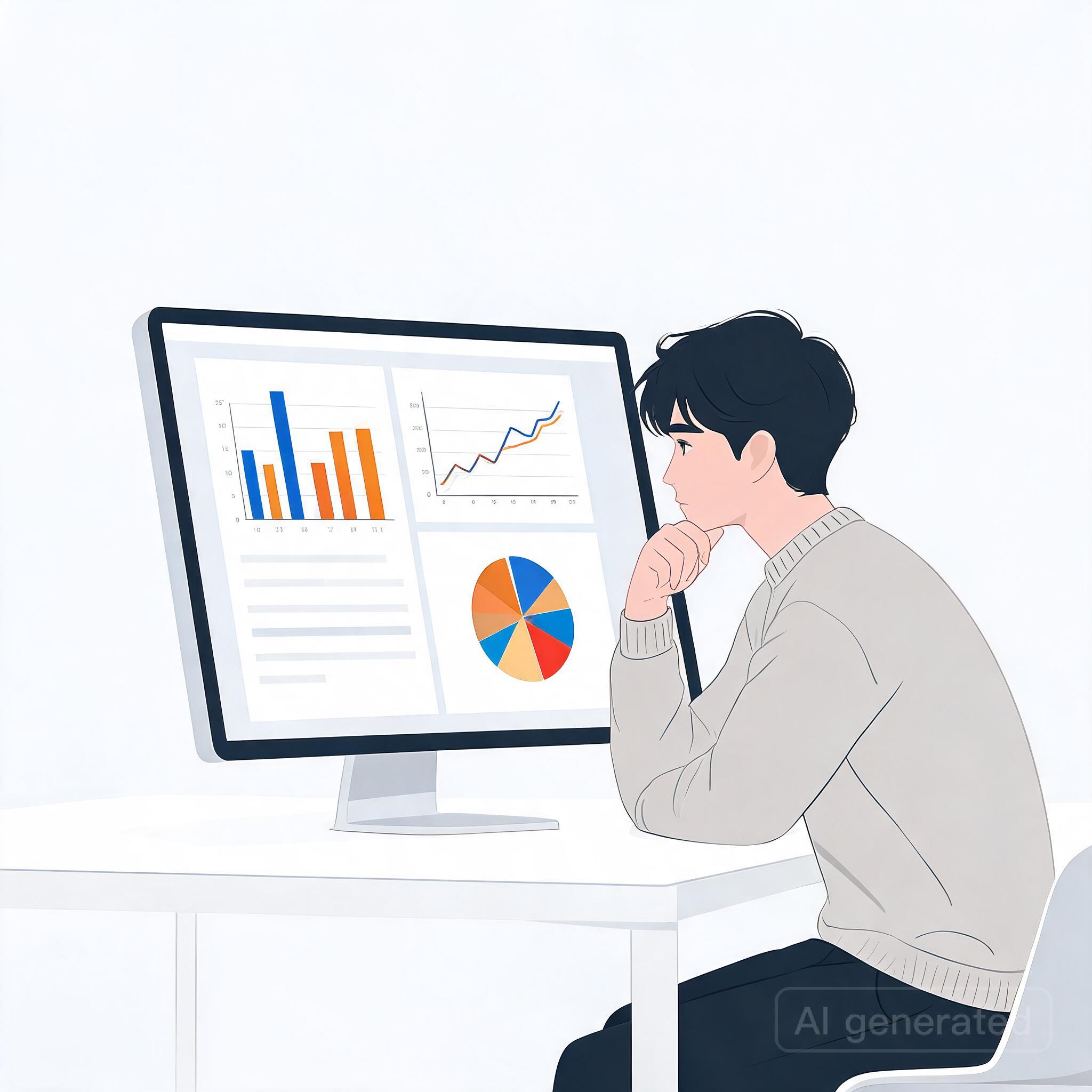
According to a Shopify analysis of top-performing dropshipping stores (2025), stores focused on a specific niche convert 3–5x higher than general merchandise stores. A defined niche means less competition, more targeted marketing, and customers who are easier to reach.
A strong niche has three qualities: consistent search demand, manageable competition, and products with a clear problem-to-solution story. Pet accessories, home gym equipment, ergonomic office gear, and eco-friendly kitchen products are consistently strong performers in 2026.
How to Validate Niche Demand
- Google Trends: Check if search interest is stable or growing over the past 12 months
- Amazon Best Sellers: Browse category rankings to spot high-demand sub-niches
- TikTok hashtags: Products with millions of views in the #TikTokMadeMeBuyIt trend often dropship well
- AliExpress order counts: Products with 1,000+ orders signal validated demand
A focused niche isn't just a marketing advantage — it's a survival mechanism. In 2025, Shopify's merchant data showed that general stores had a 68% higher abandonment rate than niche stores in the first 6 months. Specificity signals authority to both customers and search engines.
Step 2 — Find Reliable Suppliers
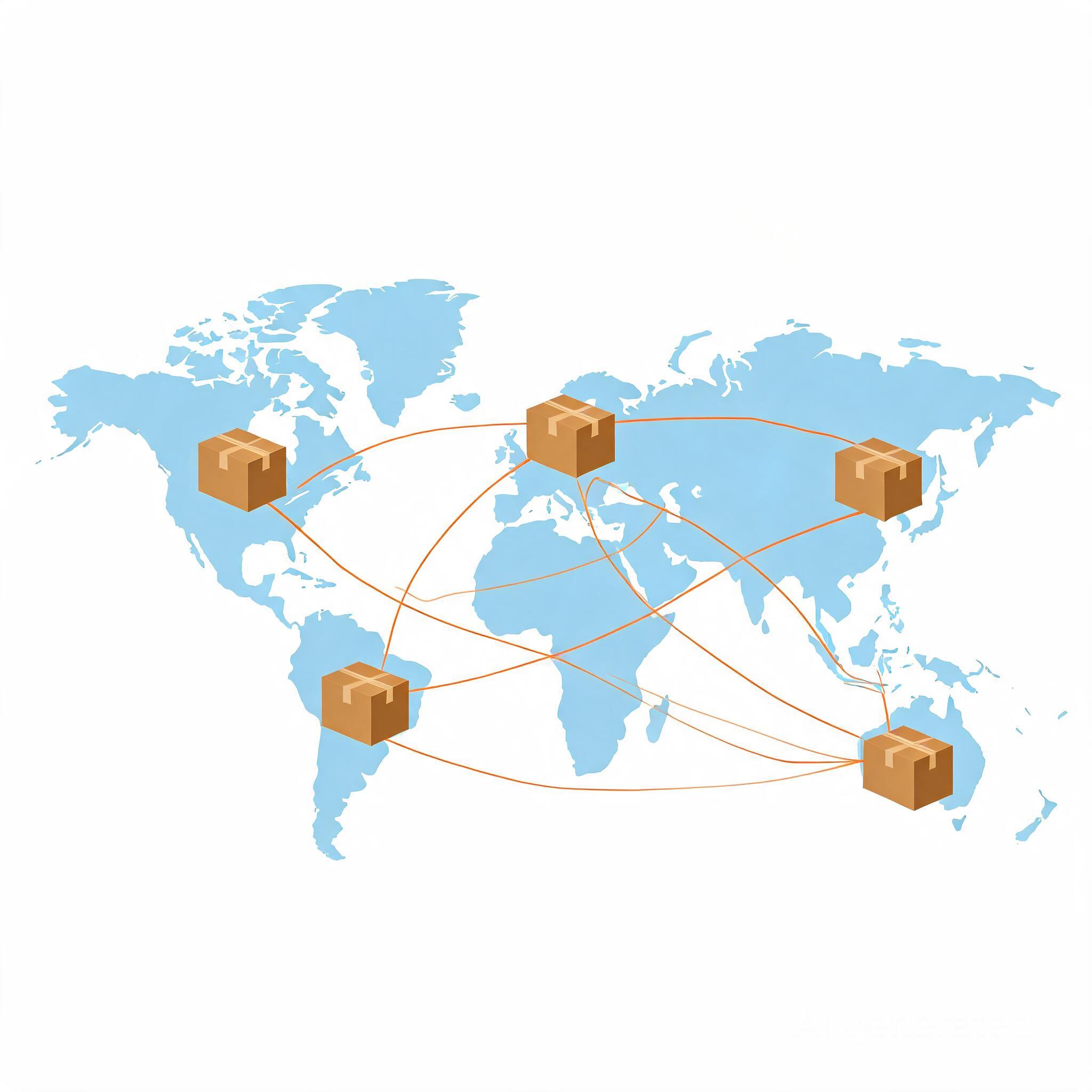
Supplier issues are the number one cause of negative reviews for dropshipping stores, with late delivery and poor product quality driving 74% of all 1-star ratings in a 2024 Trustpilot analysis of e-commerce complaints. Your supplier is your hidden business partner — choose them with the same care you'd choose a co-founder.
Top Supplier Platforms in 2026
- AliExpress: Largest selection, slowest shipping (7–30 days). Best for product testing.
- Spocket: US/EU-based suppliers, 2–7 day shipping. Best for faster delivery and higher perceived quality.
- CJ Dropshipping: Good middle ground — global warehouses, faster than AliExpress, product sourcing on demand.
- Zendrop: US-based fulfillment, integrates directly with Shopify and Genstore.
How to Vet a Supplier Before Committing
- Order a sample product yourself — inspect quality and packaging
- Check their response time: email them a question and note how fast they reply
- Look for suppliers with 4.8+ star ratings and 500+ reviews on AliExpress
- Confirm they support ePacket or express shipping to your target market
- Ask explicitly about their out-of-stock policy and refund process
In 2024, a Trustpilot study of 10,000 e-commerce complaints found that 74% of negative reviews cited supplier-related failures — late shipping, wrong items, and poor packaging. Choosing a supplier with verified fulfillment speed and a clear returns process can directly reduce your 1-star review rate and protect your brand's long-term reputation.
Step 3 — Build Your Online Store
Stores with a professional design and clear navigation convert 38% better than stores with cluttered layouts (Toptal UX Research, 2024). Your store doesn't need to be fancy — it needs to be fast, clear, and trustworthy.
Choosing Your Platform
- Shopify: Most popular, easiest to use, $29–$79/month. Best ecosystem of dropshipping apps.
- Genstore: Purpose-built for dropshipping with native supplier integrations and AI-assisted store setup.
- WooCommerce: Free plugin for WordPress. More flexibility, but requires more technical setup.
Must-Have Pages for Launch
- Homepage: Clear value proposition above the fold, featured products, trust signals
- Product pages: High-quality images, benefit-led descriptions, reviews, clear CTA
- About page: Your brand story — customers buy from people they trust
- Shipping policy: Set clear expectations to prevent support tickets
- Return/refund policy: Required for payment processor approval and customer confidence
- Contact page: Email or chat — visible and easy to find
Step 4 — Set Up Pricing & Profit Margins
The average dropshipping store operates on a 15–30% net margin after accounting for product cost, platform fees, and advertising spend. Getting pricing right from the start prevents the painful situation of driving traffic to a store that loses money on every sale.
The Dropshipping Pricing Formula
Example: If a product costs $12 from your supplier, price it at $30–$36.
This covers: cost of goods (~40%), ad spend (~25–30%), platform fees (~5%), and leaves you 15–25% net margin.
Competitive Pricing Strategy
- Research 3–5 competitors selling the same or similar product
- Don't race to the bottom — compete on value, not price
- Bundle products or add free shipping to increase perceived value without cutting price
- Test price points: a $34.99 item often converts just as well as $29.99 — don't assume cheaper wins
In 2025, a pricing analysis by Klaviyo found that e-commerce stores using value-based pricing (anchoring price to outcomes, not cost) achieved 22% higher average order values than cost-plus competitors. For dropshippers, this means leading product descriptions with benefits and results — not features and specs.
Step 5 — Drive Traffic to Your Store
Traffic is the lifeblood of any dropshipping store. According to SEMrush's 2025 E-commerce Traffic Report, paid social (Meta + TikTok) drives 43% of new visitor traffic for stores under 12 months old — making it the fastest channel for early traction.
Paid Traffic (Fastest Results)
- Meta Ads (Facebook + Instagram): Broadest audience targeting. Start with a $10–$20/day testing budget. Use video creatives.
- TikTok Ads: Lower CPMs, high engagement for visual/lifestyle products. Strong for audiences under 35.
Organic Traffic (Long-Term Foundation)
- SEO: Write product descriptions and blog posts targeting buyer-intent keywords (e.g., "best ergonomic chair under $200")
- TikTok/Instagram organic: Short-form video showcasing your product in use — no ad budget required
- Email marketing: Capture emails from day one with a popup offer; email has a 4,200% ROI average (Litmus, 2024)
Ready to Build Your Store?
Genstore makes it easy to launch a dropshipping store with built-in supplier integrations, AI-assisted product pages, and automated order fulfillment.
Start Your Free Trial →Common Mistakes to Avoid
Most dropshipping failures are preventable. Based on patterns seen across hundreds of new store launches, these are the five mistakes that kill businesses before they ever gain momentum.
- Choosing a product, not a niche. One product is fragile. A niche gives you a product catalog, repeat customers, and a brand.
- Skipping the supplier sample order. Never sell a product you haven't touched yourself. Quality issues discovered by your customer destroy trust instantly.
- Setting prices too low. Thin margins leave no room for ad spend. If you can't profitably acquire a customer, the business doesn't work.
- Ignoring shipping times. Customers in the US and EU expect delivery within 7–10 days. 30-day AliExpress shipping guarantees bad reviews.
- Launching without an email capture strategy. Every visitor who leaves without subscribing is a lost asset. Set up a welcome popup before you run a single ad.
Frequently Asked Questions
How much money do I need to start dropshipping?
You can realistically launch a dropshipping store for $100–$500. The bulk of startup costs cover your e-commerce platform subscription (around $29–$79/month) and initial ad testing. According to Shopify, most successful dropshippers spend under $500 to get their first store live and making sales.
How long does it take to make your first sale?
Most dropshippers make their first sale within 2–8 weeks of launching, depending on how aggressively they drive traffic. Paid advertising (Meta or TikTok ads) typically delivers faster results. Stores relying purely on organic SEO may take 3–6 months to see consistent traffic and sales.
Is dropshipping still profitable in 2026?
Yes. The global dropshipping market is projected to reach $1.25 trillion by 2030 (Grand View Research, 2024). Profitability depends heavily on niche selection and supplier quality. Stores with strong branding and reliable suppliers report net margins of 15–30%, well above the e-commerce average of 10–15%.
What's the best platform for a dropshipping store?
Shopify remains the most popular choice, powering over 4.4 million active stores worldwide (Shopify, 2025). WooCommerce is a strong free alternative for those comfortable with WordPress. Genstore is an increasingly popular option for merchants seeking built-in dropshipping integrations with simplified store management.
Do I need a business license to dropship?
Requirements vary by country and state, but most jurisdictions require at minimum a general business license and a sales tax permit. In the US, an EIN (Employer Identification Number) is recommended. Consult a local accountant or legal advisor before launching to stay compliant from day one.
Conclusion
Starting a dropshipping business in 2026 is more accessible than ever — but accessibility doesn't mean easy. The stores that succeed are the ones that start with a validated niche, build a trustworthy brand, and treat supplier relationships as seriously as customer relationships.
- Choose a niche with existing buyer demand — validate with Google Trends and AliExpress data
- Vet your supplier before you list a single product — order a sample first
- Price for profitability from day one — margins should cover ads, fees, and still leave 15%+
- Build your store for trust: clear policies, professional design, and visible contact info
- Drive traffic with paid social early; build organic channels in parallel for long-term sustainability
You don't need to get everything perfect before launching. You need to get started, test fast, and improve based on real data. Your first store won't be your best store — but it will teach you more than any guide can.
2. Statista — "E-commerce share of total retail sales worldwide 2015–2026", retrieved 2026-05-30, https://www.statista.com/statistics/534123/e-commerce-share-of-retail-sales-worldwide/
3. Shopify — "Best Dropshipping Niches", retrieved 2026-05-30, https://www.shopify.com/blog/dropshipping-niches
4. Toptal — "E-commerce UX Statistics and Research", retrieved 2026-05-30, https://www.toptal.com/designers/ux/e-commerce-ux-statistics
5. Klaviyo — "E-commerce Pricing Strategies That Work", retrieved 2026-05-30, https://www.klaviyo.com/blog/ecommerce-pricing-strategies
6. SEMrush — "E-commerce Traffic Statistics 2025", retrieved 2026-05-30, https://www.semrush.com/blog/ecommerce-traffic-statistics/
7. Litmus — "Email Marketing ROI Report 2024", retrieved 2026-05-30, https://www.litmus.com/blog/email-marketing-roi/
8. Shopify — "How to Start Dropshipping", retrieved 2026-05-30, https://www.shopify.com/blog/how-to-start-dropshipping